
You’ve got a raccoon in the attic, a snake in the garage, or bats circling the porch light. Your first thought is probably the same one everyone has: call animal control. It’s free, it’s the county, they must handle this.
Here’s what we tell homeowners on the Treasure Coast who call us after animal control turned them down: for a healthy animal living in your house, county animal control generally isn’t who removes it. In St. Lucie, Martin and Indian River, that work gets referred to a licensed private trapper. Sick and injured animals, bites and possible rabies exposure are a different matter, and those the counties do handle.
This article is the honest breakdown. Who to call, when, and what it will cost.
Quick Answer: Who Handles What in Florida
County animal control’s core work is domestic animals. Dogs, cats, livestock, cruelty investigations, and rabies control. Wildlife depends on the situation: a healthy nuisance animal in your house is referred out, while sick, injured and bite or exposure cases are handled.
FWC (Florida Fish and Wildlife Conservation Commission) regulates wildlife, but they don’t send someone to trap a raccoon out of your attic either. Their role is issuing permits, running the Nuisance Alligator Program, and licensing private wildlife trappers.
A licensed private wildlife removal company is who actually shows up when a wild animal is inside your home. That’s the whole industry Swift Wildlife operates in.
Here’s the quick-decision chart:
| Situation | Who to Call | Cost |
|---|---|---|
| Loose or stray dog or cat | County animal control | Free |
| Injured wildlife on public property | County animal control (in some counties) | Free |
| Nuisance wildlife inside your home | Licensed private wildlife company | $150 to $2,500 |
| Alligator over 4 feet threatening people or pets | FWC SNAP Hotline (866-392-4286) | Free |
| Snake in the pool cage or garage | Licensed private wildlife company | $150 to $600 |
| Bat colony in attic | Licensed private wildlife company | $800 to $2,500 |
| Dead wildlife on your property | Licensed private wildlife company | $150 to $300 |
| Sea turtle or manatee in distress | FWC hotline (see below) | Free |
| Sick or rabid-looking wildlife | County animal control (Martin) or FWC | Free/varies |
What Florida Animal Control Actually Does
Florida county animal control offices are public-safety agencies whose core work is domestic animals: dog bites, running the shelter, enforcing leash and vaccination laws, investigating cruelty, and rabies control.
Wildlife is where it varies by county and by situation. Routine nuisance work, such as a healthy raccoon denning in your attic, generally falls outside what these offices do and gets referred to a licensed private trapper. Sick, injured or abnormally behaving wild animals are a different matter, and so is anything involving a bite, a scratch or possible rabies exposure. Those follow public-health and public-safety procedures, and several Treasure Coast agencies do respond to them.
What each office will and won’t do is set by its own current policy, so check the one covering your address rather than assuming.
St. Lucie County Animal Safety
St. Lucie County Animal Safety serves the unincorporated areas of the county. Their own website states they handle “nuisance domestic animals (No wildlife)” and that “wildlife calls are not handled afterhours.”
That is not a blanket refusal of every wild animal, though. Animal Safety Officers are permitted to remove sick or injured wildlife, and they respond to rabid animals. What they are not permitted to do is remove or relocate a healthy wild animal, which is the nuisance case, and that is the part referred to a licensed private trapper.
Contact: 772-462-8120
Emergency after-hours (domestic animal only): call 911 or 772-465-5770 and ask for an Animal Safety Officer
Any bite or scratch that breaks the skin should be reported to Animal Safety however minor it seems, and to the Florida Department of Health in St. Lucie County on 772-462-3883.
If you live inside the city limits of Port St. Lucie, Fort Pierce, or Lakewood Park, city ordinances may apply and city police may be the initial contact.
Martin County Sheriff Animal Services
Martin County is slightly different because the Sheriff’s Office runs animal services. They handle sick or injured wildlife (transported to Treasure Coast Wildlife Hospital), and they do respond to rabies-related calls. But their public page is explicit: “The Animal Services Unit does not respond to nuisance wildlife complaints.” They refer those to licensed trappers.
Contact: (772) 463-3211
Wildlife concern? Their page directs you to the FWC website and to hire a licensed private trapper.
Indian River County Animal Control
Indian River County’s animal regulations are written around “the possession, ownership, care and custody of domestic animals,” and nuisance wildlife in a home is referred out to a licensed private trapper.
The division’s own remit is broader than domestic animals alone: it covers the capture, confinement and care of nuisance and stray animals, cruelty complaints, and animal bite investigations. A wild animal that has bitten someone, or one that is injured or behaving abnormally, is worth reporting to them rather than assuming it is out of scope.
Contact: (772) 226-4799
Address: 4305 43rd Ave #B, Vero Beach, FL 32967
Their page refers wildlife calls to FWC. The current FWC numbers are:
- General wildlife: FWC Northeast Region, 352-732-1225
- Alligators: 866-392-4286
- Manatees: 888-404-3922 (FWC Wildlife Alert)
- Sea turtles: 888-404-3922 (FWC Wildlife Alert)
- Wildlife law violations: 888-404-3922
What FWC Actually Does
The Florida Fish and Wildlife Conservation Commission is the state agency that regulates all wildlife. FWC does not send someone to trap the raccoon in your attic, even though they run the rules that govern how it can be trapped.
What FWC actually does:
- Registers and licenses private nuisance wildlife trappers
- Manages protected species (gopher tortoise, bats, sea turtles, manatees)
- Runs the Statewide Nuisance Alligator Program (SNAP)
- Enforces wildlife laws and investigates violations
- Publishes rules on which species can be trapped, how, and when
When county animal control tells you to call FWC for a raccoon problem, they’re not sending you to a removal service. They’re sending you to the agency whose rules the private trapper you hire has to follow.
When to Call FWC Directly
Call FWC first, not a private company, in these specific cases:
Alligator over 4 feet posing a threat
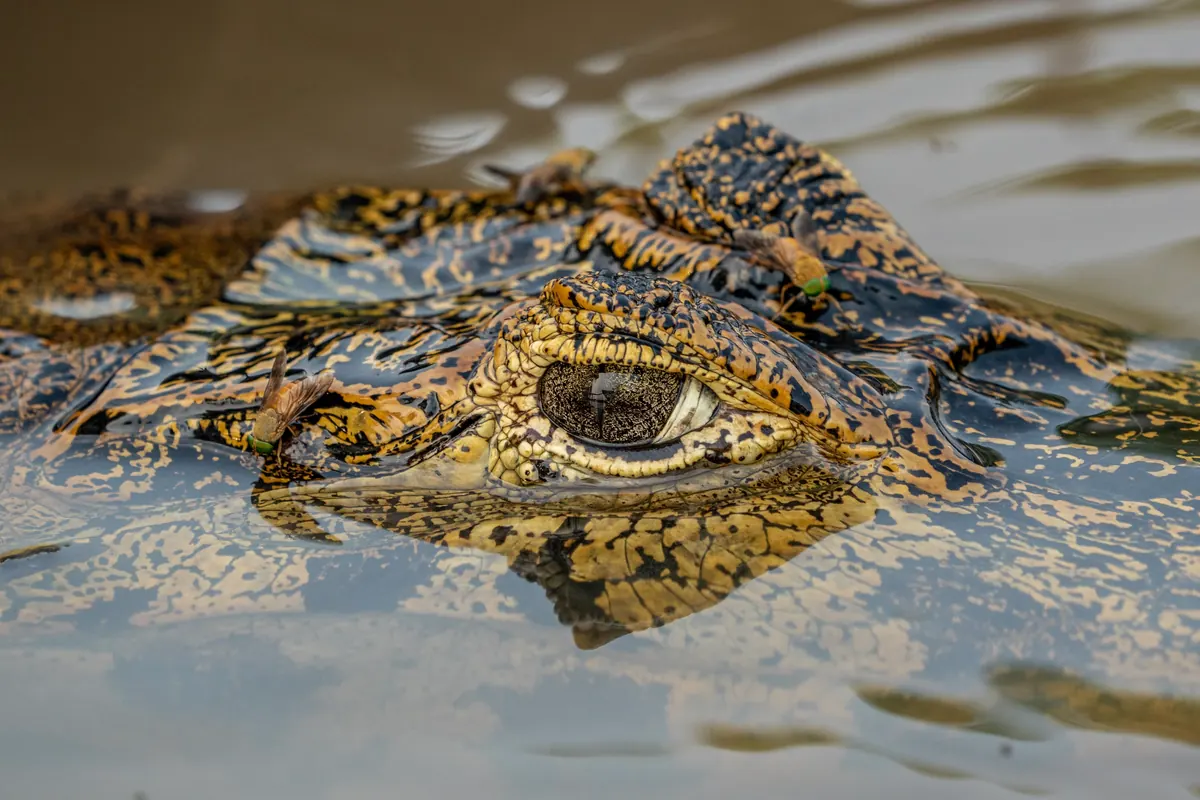
Call the FWC SNAP hotline at 866-392-4286. SNAP contracts with licensed alligator trappers to remove nuisance gators at no cost to the homeowner. Private wildlife companies, including Swift, do not trap gators over 4 feet. That’s the SNAP trapper’s job.
Sea turtle stranding or nesting disturbance
Call the FWC Wildlife Alert hotline at 888-404-3922 or the marine turtle hotline listed by your county. Never touch a sea turtle. All species are federally protected.
Manatee injury, stranding, or harassment
Call FWC Wildlife Alert at 888-404-3922. Federal protection applies.
Injured bald eagle, hawk, or protected bird
Call FWC. Most private wildlife companies including Swift will refer these cases to a licensed wildlife rehabilitator.
Suspected wildlife crime
Call the Wildlife Alert hotline at 888-404-3922.
For everything else on this list — raccoons, rats, mice, squirrels, bats, non-venomous and venomous snakes, opossums, armadillos, iguanas, skunks, birds, bees — you’re calling a private wildlife company.
When public wildlife assistance may be available
Homeowners search for “free raccoon removal near me” hoping there’s a public option. For the routine case, a healthy animal living in your structure, there generally isn’t one, and that work is a paid private job. But “never free” is too strong. Several genuine public routes exist, and it is worth knowing which situation you actually have before you pay anyone.
- Nuisance alligators. FWC’s Statewide Nuisance Alligator Program dispatches a contracted trapper at no cost to the caller. Call 866-392-4286.
- Sick or injured wildlife. St. Lucie County Animal Safety can remove sick or injured wild animals, though not healthy ones. Martin County Sheriff’s Animal Services transports sick and injured wildlife to the Treasure Coast Wildlife Hospital.
- Bites, scratches and possible rabies exposure. Report these to your county animal control office and your county health department. That is public-health work rather than a removal service, but it is handled and it is not billed to you.
- Protected species in distress. Sea turtles, manatees and protected birds go to FWC Wildlife Alert on 888-404-3922, not to a private company.
What none of these cover is the job most people are calling about: getting a healthy animal out of a structure, sealing the openings it used, and cleaning up what it left. Be wary of anyone advertising blanket “free wildlife removal” for that work, which usually means a bait-and-switch quote or an unlicensed operator. A free inspection with a written estimate is normal; free removal is not. That’s how Swift’s free inspection works. You keep the estimate whether you hire us or not.
Animal Control vs Private Wildlife Removal: Real Cost Comparison
| Service | Animal Control | Licensed Private Company |
|---|---|---|
| Domestic dog or cat pickup | Free | Not applicable |
| Nuisance wildlife inside home | Referred out in these counties | $150 to $2,500 |
| Sick or injured wildlife pickup | Free (Martin and St. Lucie) | $150 to $300 |
| Dead animal in yard | Free (some counties) | $150 to $300 |
| Wildlife inspection | Not a county service | Free at Swift |
| Written estimate before work | Not applicable | Included with Swift |
| Exclusion (sealing entry points) | Not a county service | $500 to $2,000 |
| Attic decontamination | Not a county service | $250 to $3,000 |
| Warranty on the fix | Not applicable | 1 to 2 years standard |
| After-hours emergency | Domestic only | Yes (Swift is 24/7) |
So the comparison isn’t simply “free vs paid.” Public agencies do cover some wildlife situations at no charge, chiefly sick, injured and rabies-exposure calls plus nuisance alligators. What they don’t cover is getting a healthy animal out of your house and keeping it out. Which situation you have decides who to call, so confirm it with the agency for your address before assuming either way.
Emergency Scenarios: Who to Call Right Now
Snake in your living room, bedroom, or garage
County animal control’s scope is domestic animals, so on the Treasure Coast a snake indoors is a private call. Contact an emergency wildlife service — Swift answers 24/7 at (772) 227-1522. Keep people and pets away and don’t try to handle it. Note what it looks like only if you can do that from a safe distance. Close the door on the room and wait for the technician. If someone has been bitten, seek medical care promptly, and treat a suspected venomous bite as an emergency.
Bat flying inside your house
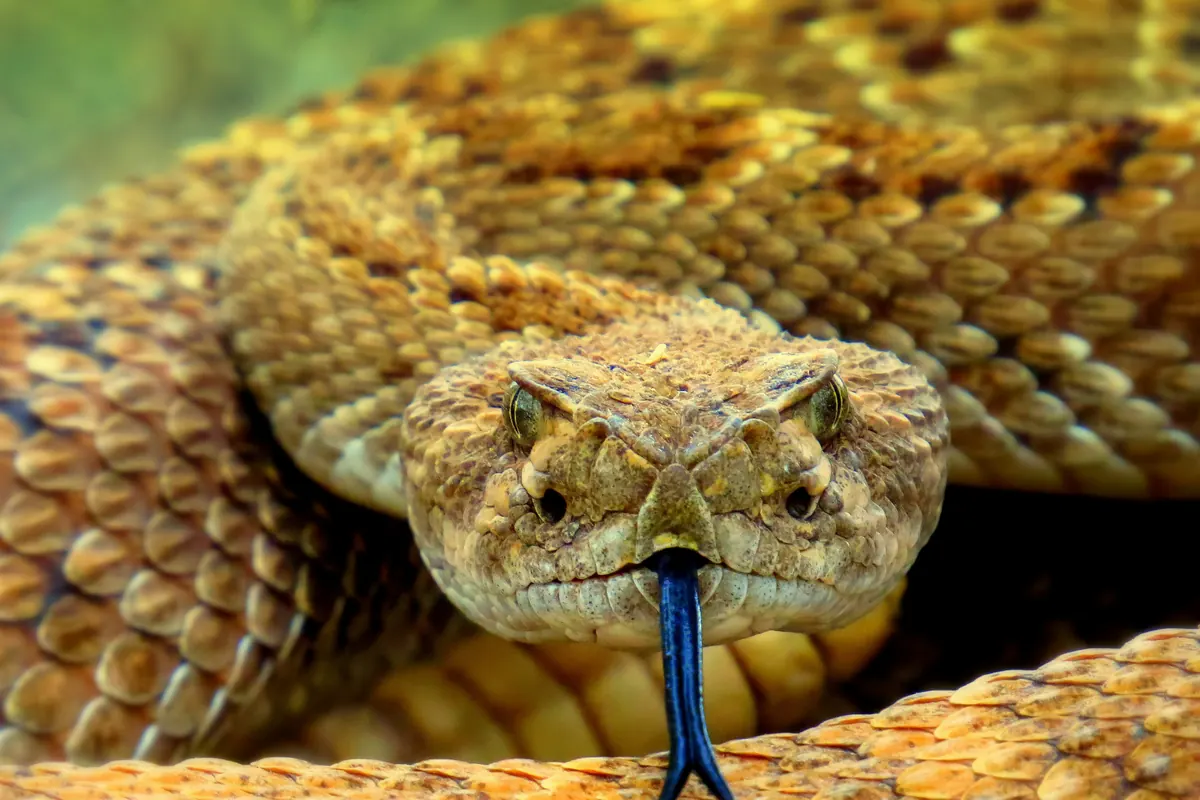
Call animal control first only if there’s been potential contact with a person or a pet, which is the rabies exposure protocol. Otherwise, a private bat removal technician handles this. Isolate the bat in one room, turn off lights, open a window if safe, and step back.
Raccoon in your child’s bedroom or living space
Call a private wildlife company for immediate response. Close the door. Do not corner the animal. Emergency raccoon removal is a same-day service on the Treasure Coast.
Alligator over 4 feet in your yard or pool
Call FWC SNAP at 866-392-4286. Do not approach.
Alligator under 4 feet
This is treated as non-threatening under FWC guidelines. A private company can handle it if the gator is in a swimming pool or otherwise trapped in an enclosed space. Otherwise, most homeowners are advised to leave small gators alone.
Dead animal in your yard or attic
Some counties will pick up dead wildlife from public land. For private property, dead animal removal is a private service. Same-day dispatch.
How to Pick a Licensed Private Wildlife Company
Not every company that answers the phone for wildlife is qualified. Ask these before hiring:
- Are you licensed by FWC and insured in Florida? Real companies show it on the spot.
- Is the inspection free with a written estimate? If there’s a fee, does it credit back?
- Do you use rodenticide or poison anywhere in your work? Poison creates dead-animal-in-wall problems and secondary poisoning risk to pets and hawks. Swift uses none.
- What’s your written warranty on the exclusion seal? Standard is 1 to 2 years.
- Are you FWC-compliant with maternity seasons and protected species? A trapper who doesn’t know the bat exclusion window is not the right call.
When Swift Steps In
Swift Wildlife Removal is a licensed, insured, FWC-compliant family-run company serving 28 communities across St. Lucie, Martin, and Indian River counties. We handle the full call spectrum county animal control refers away:
- Raccoon removal from attics, chimneys, garages, decks
- Bat exclusion subject to FWC timing and other requirements; the ordinary non-maternity window is August 15 through April 15
- Snake removal including venomous species identification
- Rat and rodent control with humane trap-and-seal (no poison)
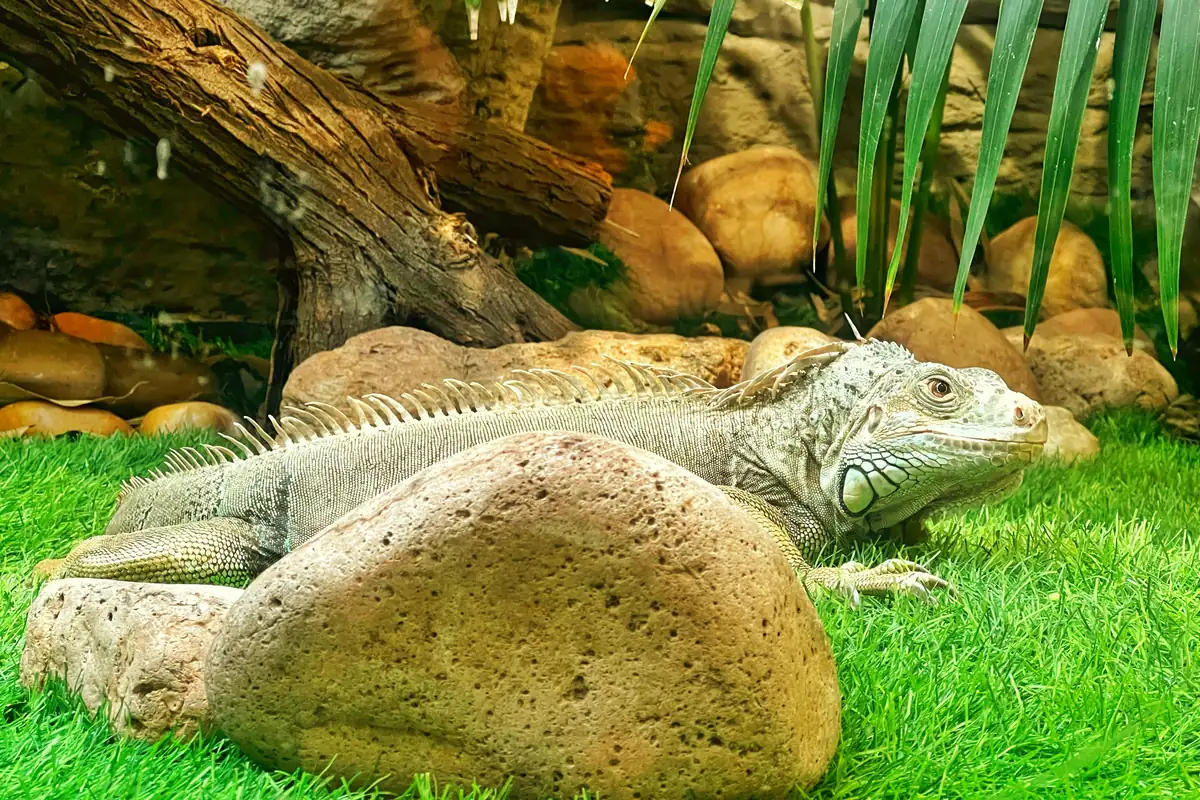
- Iguana removal including monthly plans and HOA patrols
- Wildlife exclusion to seal entry points and keep animals out for good
- Dead animal removal with odor treatment and sanitizing
Our line is answered by a real person 24/7. No robots, no next-business-day. Free inspections with written estimates come standard.
Get a Free Inspection or Emergency Response
Call (772) 227-1522 for a 24/7 live answer, or book a free wildlife inspection online.
We cover Port St. Lucie, Fort Pierce, Stuart, Jensen Beach, Palm City, Sebastian, Vero Beach, and 21 other communities on the Treasure Coast — see the full list of areas we serve.